Relieve muscle tension. Restore movement. Support recovery — with a soft-tissue approach that lifts rather than compresses.
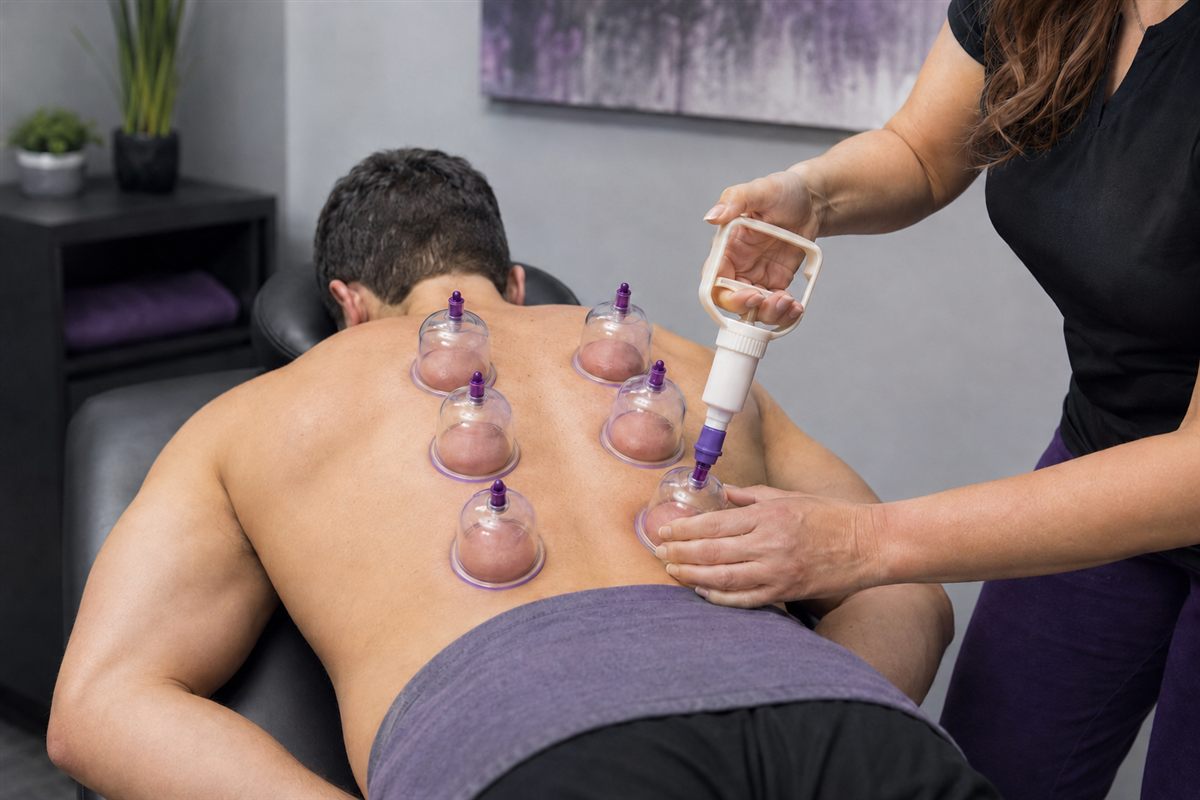
Cupping therapy is a form of soft-tissue treatment that uses controlled suction to gently lift the skin and underlying tissues. Unlike traditional massage techniques that press downward, cupping creates a decompressive effect that may help reduce muscular tension, encourage tissue mobility, and make movement feel more comfortable.
At Simpson Family Wellness, dry cupping may be incorporated into chiropractic care, sports injury treatment, or a personalized recovery plan. Each treatment is selected according to your symptoms, activity level, comfort, and individual goals.
Decrease feelings of tightness in areas affected by overuse, repetitive activity, or postural strain.
Support range of motion and address areas of soft-tissue restriction that limit comfortable movement.
Prepare tight tissues for movement, rehabilitation exercises, or the demands of continued training.
Many patients experience a parasympathetic response — a genuine sense of release and relaxation following treatment.
Cupping is not a standalone cure for any injury or condition. It's one tool in a broader plan — selected when it's the right fit for your tissue type, symptoms, and goals.
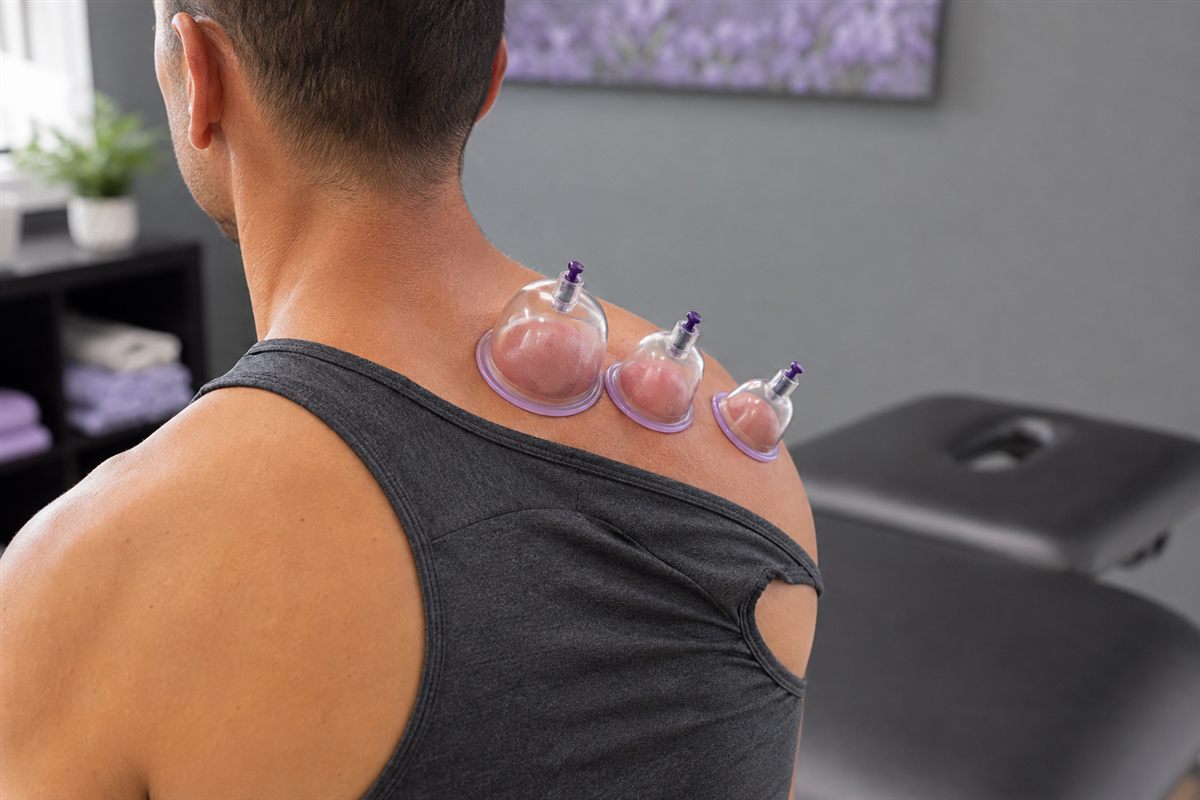
Specialized cups are placed over selected muscles and soft tissues. Gentle suction lifts the tissue into the cup, creating a controlled decompressive effect. Depending on your treatment goals, cups may remain stationary or be carefully moved across the skin.
Most patients describe the sensation as firm pulling or pressure — not pain. Suction level is adjusted throughout and can be modified at any time based on your comfort.
Note on marks: Please consider upcoming events, photos, competitions, or clothing choices when scheduling your appointment — circular marks may be visible for several days.
Cupping works best as part of a complete treatment plan. Depending on your condition, it may be combined with chiropractic adjustments, Graston Technique®, RockTape kinesiology taping, red light therapy, and corrective exercises. Our goal is always to address the underlying cause — not just the location of discomfort.
Most patients feel pulling, pressure, or tightness beneath the cup. It should remain tolerable throughout treatment and can be adjusted at any time. If something feels sharp or burning, tell us immediately.
It can. Temporary circular discoloration is common and may remain visible for several days. This is a normal tissue response — not bruising in the traditional sense — and fades on its own.
No. We use dry cupping only — external suction with no incisions or blood removal involved.
Not at all. Cupping may be helpful for athletes, active adults, desk workers, parents, students, and anyone experiencing muscle tension from work, posture, repetitive activity, or everyday stress.
Cupping is not appropriate over open wounds, active skin infections, burns, rashes, suspected fractures, or areas with impaired sensation. Please let us know if you take blood-thinning medication, bruise easily, have a bleeding disorder, a significant skin condition, or are pregnant. Your health history is always reviewed before treatment.
Yes. When appropriate, cupping may be used before or after chiropractic adjustments, Graston Technique, taping, or rehabilitation exercises — all within the same visit.
Ask about cupping when booking your next chiropractic or sports injury appointment.
Book an Appointment